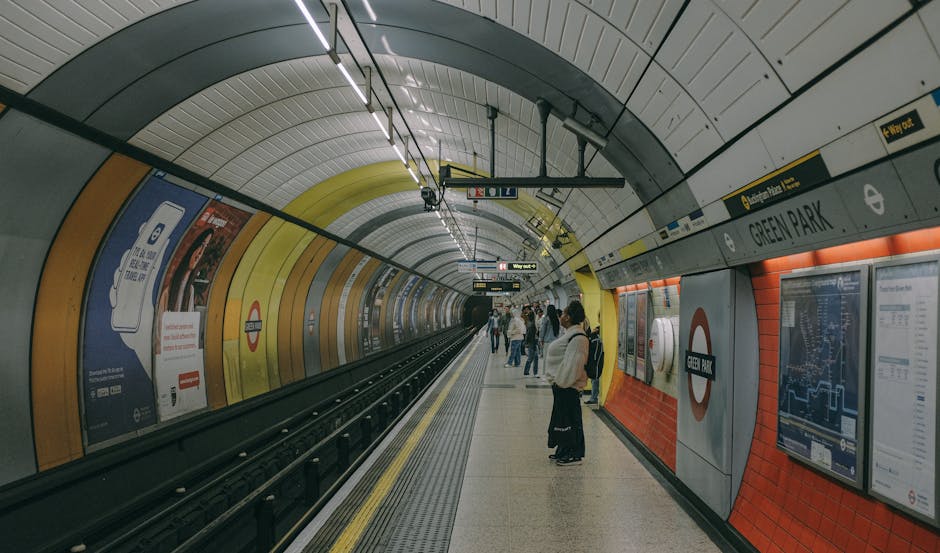




Northwood Hills tube moves: access & parking solutions
Posted on 06/05/2026
Northwood Hills Tube Moves: Access & Parking Solutions
Moving near a Tube station sounds simple on paper. In real life? It can be a bit of a puzzle. Tight streets, commuter traffic, bay suspensions, awkward loading space, and a van that needs just enough room to work without blocking half the road. If you are planning Northwood Hills tube moves: access & parking solutions, the details matter more than people expect.
This guide breaks down how to make a move near Northwood Hills Tube smoother, safer, and less stressful. Whether you are moving from a flat, a family home, or a small office, the aim is the same: protect your belongings, keep access clear, and avoid last-minute parking headaches. Truth be told, the best moves usually feel boring in the best possible way - planned, calm, and with fewer surprises than you feared.
If you want broader help beyond this local guide, you may also find the services overview useful, especially if you are comparing options like man with a van in Northwood, house removals, or flat removals.
Why Northwood Hills tube moves: access & parking solutions Matters
Northwood Hills has a very specific moving challenge: it is a Tube-adjacent area where everyday travel, local parking controls, and residential access all collide. A removal van does not need much to go wrong before a move becomes slow, awkward, or more expensive than planned. One blocked driveway, one missed parking restriction, or one badly timed arrival during the school run can throw the whole morning off.
That is why access planning is not a nice extra. It is part of the move itself.
Near a Tube station, you are usually dealing with a mix of commuters, short-stay visitors, and residents who are understandably protective of limited street space. If your move involves a van stopping outside a property for loading, the practical question is not simply, "Can we park?" It is, "Can we park legally, safely, and long enough to work efficiently?"
This matters even more if your move includes larger furniture, fragile items, or multiple trips between the property and vehicle. A few extra metres of carrying distance might not sound like much, but with a sofa, mattress, fridge, or piano, those metres become effort, time, and risk.
Expert summary: Good access planning near Northwood Hills Tube reduces stress, avoids parking disputes, and helps keep the move efficient. The big win is not speed for its own sake - it is control.
There is also the human side. Nobody wants to begin a new chapter by apologising to neighbours or rushing because the van has to move on every ten minutes. A tidy plan avoids that awkwardness. It keeps everyone calmer, and honestly, calmer moves are usually safer moves.
How Northwood Hills tube moves: access & parking solutions Works
At a practical level, access and parking solutions for a Northwood Hills move are about matching the property, the vehicle, and the timing to the street conditions. That sounds obvious, but it is where many DIY or last-minute moves stumble.
The process usually starts with a quick site check. This might be a phone conversation, photos of the road, or even a brief look at the property frontage. The aim is to understand four things:
- where the van can safely stop
- how far items need to be carried
- whether any parking restrictions apply
- how much time loading is likely to take
From there, the move can be shaped around the street. A smaller vehicle may be better on narrow residential roads. A larger removal van may be fine if there is a proper loading space or enough frontage, but it must still be positioned with care. Sometimes the best solution is not the biggest van - it is the one that fits the area without drama. To be fair, that is a lesson people only need to learn once.
Timing matters too. Early morning slots can be helpful if the road is quieter, while mid-morning may be better if you need the property fully accessible after school drop-off traffic eases. In some cases, a same-day option can help if keys are delayed or completion times shift. If that is your situation, see same-day removals in Northwood.
For more complex jobs, local movers may also consider whether partial loading, staggered trips, or temporary storage will improve access. If you are moving out of a flat, for example, stairs, lifts, and parking all interact. That is where flat removals in Northwood can be especially relevant.
In short, the move works best when the street is treated as part of the logistics, not just the backdrop.
Key Benefits and Practical Advantages
Good access and parking planning brings more than convenience. It changes the whole feel of the day.
- Less carrying distance: the van can be placed closer to the entrance where safe and legal.
- Lower damage risk: shorter routes between home and vehicle reduce bumps, scuffs, and drops.
- Faster loading: the team spends less time walking back and forth, which helps if you are on a tight schedule.
- Less neighbour disruption: thoughtful parking avoids blocking drives or creating unnecessary tension.
- Better timing control: a planned arrival window helps you work around Tube commuters and local traffic patterns.
There is also a financial angle, though it is best viewed sensibly rather than dramatically. A well-managed move can reduce wasted time, and wasted time is often what makes a move feel more expensive than it needed to be. If you are comparing services, the pricing and quotes page is a sensible place to start.
Another advantage is mental load. Moving day already asks a lot of you. Decisions pile up. Keys, boxes, water bottles, children, pets, last-minute phone calls - it gets messy fast. Anything that reduces uncertainty is valuable. Parking solutions do exactly that. They remove one layer of chaos.
And yes, the small things matter. A vehicle parked neatly with clear access feels different from one awkwardly straddling a kerb while someone is trying to carry a wardrobe through a narrow doorway. It just does.
Who This Is For and When It Makes Sense
This type of planning is useful for a wide range of moves, but it is especially helpful if any of the following apply:
- you are moving from a flat or maisonette near the station
- your property has limited or no private parking
- you need to move bulky furniture or appliances
- you are scheduling the move during a busy weekday
- you are worried about permits, restrictions, or neighbours
- you need a carefully timed collection or delivery
Students, renters, small families, landlords, and office managers all benefit from this approach. It is not only for big house moves. In fact, some of the trickiest jobs are smaller ones with awkward access. A single sofa, bed, or piano can be more demanding than people expect. If that sounds familiar, you may find piano removals in Northwood and furniture removals in Northwood helpful as service references.
It also makes sense when your move is not perfectly straightforward. Maybe the completion time is uncertain. Maybe the old place still needs cleaning. Maybe you are juggling freezer contents, mattresses, and boxes of books all at once. Real moves are rarely neat. A practical access plan helps you cope with the mess without feeling like the day is running you.
One little but important point: if your move is time-sensitive, make sure the service you choose can adapt. Some people need extra flexibility more than they need anything else. Others need pure lifting power and careful handling. Different jobs, different priorities.
Step-by-Step Guidance
Here is a simple, real-world way to approach a Northwood Hills tube-area move without overcomplicating it.
- Check the property frontage and street layout. Look at driveway width, kerb space, and whether a van can stop without causing a blockage.
- Identify access barriers. Think about stairs, narrow hallways, low doorframes, communal entrances, and any lift restrictions.
- Review parking constraints. Consider bays, yellow lines, loading rules, resident-only parking, and time limits. If you are unsure, it is worth double-checking before the day.
- Decide on the vehicle size. A smaller vehicle may be easier for tight roads, while a larger van can be efficient if space allows.
- Estimate loading time honestly. Underestimating is the classic mistake. If you have a lot of stairs or awkward items, build in more time than you think you need.
- Prepare the items for quick loading. Boxes should be sealed, furniture should be dismantled where practical, and fragile pieces should be clearly marked.
- Plan the exit route. Know whether items can go straight from the door to the van, or whether they will need to be carried around parked cars or through shared access.
- Keep communication open on the day. If there is a delay or access issue, early notice helps the team adjust without panic.
If you are still at the packing stage, a good starting point is these packing tricks for house moves and packing and boxes in Northwood. A tidy load is quicker to move and easier to position close to the van. Simple, but it saves time.
One practical observation: the final 20 minutes before arrival often decide how smooth the whole day feels. If the hallway is clear, the boxes are grouped, and the parking plan is known, the move tends to settle into a rhythm. If not, well... it can get a bit lively.
Expert Tips for Better Results
The best access and parking plans usually come down to small, sensible habits. Nothing flashy. Just careful thinking.
- Book earlier than you think. Popular move dates and busy local periods go quickly. Leaving it late can force compromises on time or vehicle choice.
- Send photos of the street and entrance. This is one of the easiest ways to reduce surprises. A few phone photos can say more than a long explanation.
- Separate essentials from bulk items. Keep keys, documents, chargers, kettle items, and first-night basics apart from the main load.
- Use the smallest practical vehicle for the road. Bigger is not always better if access is tight.
- Protect the route inside the property. Old blankets, runners, or door protection can help reduce marks on floors and walls.
- Think about heavy item handling early. Bulky pieces should be planned, not improvised. If in doubt, read advice on lifting heavy objects safely.
Another tip that sounds obvious but is often forgotten: check where you will put the van once it arrives. Not just "somewhere nearby" - the exact position matters. A few metres can be the difference between smooth loading and a messy, stop-start carry route.
And if you are handling specialist items, such as a piano, freezer, sofa, or mattress, plan those first rather than last. Specialist items often dictate the van layout and the loading sequence. The wrong order means everyone works harder. Nobody needs that on moving day.
Common Mistakes to Avoid
Most access problems are preventable. That is the frustrating part, really.
- Assuming parking will "sort itself out". It rarely does, especially near busy transport links.
- Choosing a vehicle without checking the road. A van that is too large can create delays and extra carrying distance.
- Ignoring commute patterns. Tube-adjacent streets can change character quickly around rush hour.
- Not telling the mover about restrictions. Steps, loading rules, access gates, and parking limits all matter.
- Under-preparing bulky furniture. A bed or wardrobe that should have been disassembled can waste a lot of time.
- Leaving cleaning and final packing too late. A tidy property makes loading faster and safer.
One common issue is people focusing only on the destination and forgetting the departure. Yet the old property often has the tighter access. That is where stress starts. If you are moving out of a flat, it may help to review bed and mattress moving guidance and sofa storage tips if furniture needs to be held temporarily.
Another mistake? Not factoring in the weather. A damp, windy morning with cars parked tightly along the road makes lifting and carrying much less forgiving. Not dramatic, just real. Gloves, covers, and a sensible pace go a long way.
Tools, Resources and Recommendations
You do not need specialist equipment for every move, but a few practical tools make access-heavy jobs much easier.
- Moving blankets and straps: help protect furniture and keep loads secure.
- Reliable tape and labels: ideal for clear box marking, especially if items need to be unloaded in stages.
- Dollies or sack trucks: useful for heavier boxes and appliances, provided the route is suitable.
- Door protection: simple covers can prevent scuffs on frames and corners.
- Box sets and packing materials: a tidy load is easier to carry and stack.
If you are still gathering supplies, the packing materials and boxes service can be useful. For moves where items need a temporary stop, storage in Northwood may help bridge a gap between leaving one property and entering another.
For freezer-related moves, especially if timing between homes is not straightforward, you may also want to read how to keep your freezer safe during downtime and best practices for storing an unused freezer. These details matter more than people think, and the smell of a badly handled appliance is not something anyone wants to meet on moving day.
If you want a broader service conversation, the removal services in Northwood page and the main removals Northwood page can help you compare options.
Law, Compliance, Standards, or Best Practice
For moves near Northwood Hills Tube, the main compliance point is straightforward: parking and loading must be done lawfully and with consideration for others. That means checking local restrictions, respecting residents' bays, observing double yellow rules where they apply, and not assuming a short stop is automatically fine.
Because parking rules can change street by street, it is sensible to verify the local situation in advance rather than rely on memory or guesswork. Where a permit, bay suspension, or loading allowance is needed, arrange it properly. If you are unsure, speak with the local authority or check the relevant guidance for the street in question. Better to spend a few minutes checking than to spend the morning worrying about a penalty or a complaint.
There is also a best-practice standard around safe lifting and handling. That is not just about heavy-lift injuries; it is about planning the route, splitting loads sensibly, and avoiding rushed manual handling. Good movers do not just move things. They reduce risk before the first box leaves the room.
For company trust and customer confidence, support pages such as health and safety policy, insurance and safety, and about us are also worth reviewing. They help show how the service approaches responsibility, not just transport.
And if you are checking terms, payments, or service expectations, these pages can help set things straight before moving day: terms and conditions and payment and security.
Options, Methods, or Comparison Table
There is no single "best" way to handle a move near the Tube. The right method depends on road width, load size, timing, and how much help you want. Here is a simple comparison.
| Option | Best For | Strengths | Watch Outs |
|---|---|---|---|
| Small van and manual carry | Light moves, flats, short distances | Easier to park, more flexible in tight streets | May require more trips if the load is larger than expected |
| Medium removal van | Typical household moves | Good balance of capacity and access | Needs more careful parking planning on narrow roads |
| Full removals service | Large homes, heavy furniture, time-sensitive jobs | More support, better handling of tricky items | Usually needs clearer planning and scheduling |
| Split move with storage | Moves with delayed handover or limited access | Reduces pressure if dates do not line up neatly | Needs extra coordination and packing discipline |
In practice, many people choose a man-and-van style solution for smaller or access-sensitive moves, then scale up if the job turns out to be larger. That is where man and van in Northwood and removal van options become useful comparison points.
If you are comparing service styles, think less about labels and more about outcomes. Can the provider work safely near the station? Can they manage the parking constraints? Can they adapt if the move takes longer than expected? Those are the real questions.
Case Study or Real-World Example
Picture a typical Saturday move near Northwood Hills Tube. The customer is leaving a first-floor flat with a narrow staircase, a sofa that has seen better days, a mattress, several boxes of books, and a freezer that needs careful handling. The road outside is busy enough to make casual parking a poor bet, and the nearest sensible stopping point is a little further than they hoped.
Instead of trying to force the van into the first available gap, the move is planned around the street. The load is grouped by room. Fragile boxes are separated. The furniture is ready before the team arrives. A short carrying route is chosen that avoids blocking the neighbour's drive, and the larger items are loaded first while the van position is still secure.
The whole thing still takes effort, of course. Moves do. But the day stays controlled. No one is darting around looking for a better parking spot. No one is carrying heavy items twice because the plan changed halfway through. The customer gets through the morning without that all-too-familiar feeling that the move is running away from them.
That is the real value of access planning. It does not remove the work. It removes the friction.
If the move had included a piano, the same principles would matter even more, which is why specialist pages like piano moving advice can be so helpful before you decide whether DIY is worth it. Spoiler: sometimes it is not. At all.
Practical Checklist
Use this checklist before your move near Northwood Hills Tube. It is simple, but it catches the common problems.
- Confirm the moving date and approximate arrival window
- Check whether parking is restricted outside the property
- Identify the closest safe loading point for the van
- Measure larger items if access is tight
- Disassemble furniture where sensible
- Label boxes clearly by room or priority
- Keep essential documents and valuables separate
- Protect floors, corners, and doorways if needed
- Plan for pets, children, or neighbours who may be affected
- Prepare drinks, phone charger, and first-night items
- Review whether storage may be needed for any items
- Double-check contact details for the moving team
If you are moving out of a property that needs a proper clean, move-out cleaning tips can help you leave the place in good order. That can save stress later, which is always welcome.
Quick takeaway: The smoother the parking plan, the less physical strain and time pressure you face. Good access planning is one of the easiest ways to make a move feel under control.
Get a free quote today and see how much you can save.
Conclusion
Northwood Hills tube moves are not difficult because the area is impossible. They are difficult when access and parking are left to chance. Once you plan the street, the van, the timing, and the loading route together, the whole move becomes more manageable.
That is the real message here: don't treat parking as a side issue. Near the Tube, it is central to the move. Get it right and everything else tends to flow better - the carrying, the loading, the neighbour relations, the timing, the lot.
If you are comparing service options, start with the details that actually affect your day: access, vehicle size, handling support, and whether the team understands local conditions. A move near a busy station should feel organised, not improvised. And if there is one thing worth aiming for, it is a moving day that ends with the kettle on, not a headache.