



Moving on Pinner Road? Top tips for Northwood residents
Posted on 28/04/2026
If you are planning a move on or around Pinner Road, the details matter more than they do on a wide, quiet suburban street. Access, parking, timing, neighbours, packing order, and the type of property you are moving from all shape how smooth the day feels. For Northwood residents, a well-planned move can save time, reduce stress, and protect your furniture from the sort of knocks that happen when a plan is too loose.
This guide brings together practical moving advice for households, flats, and small offices, with a local lens that reflects the realities of moving in Northwood and nearby roads. Whether you are comparing house removals in Northwood, need a flexible man and van service, or simply want a calmer, better-organised move, the aim here is simple: help you make good decisions before moving day turns up with a clipboard and a van.
One small truth about moving: most problems are not dramatic. They are usually the accumulation of little things left too late. The good news is that those are exactly the issues you can control.
Why Moving on Pinner Road? Top tips for Northwood residents Matters
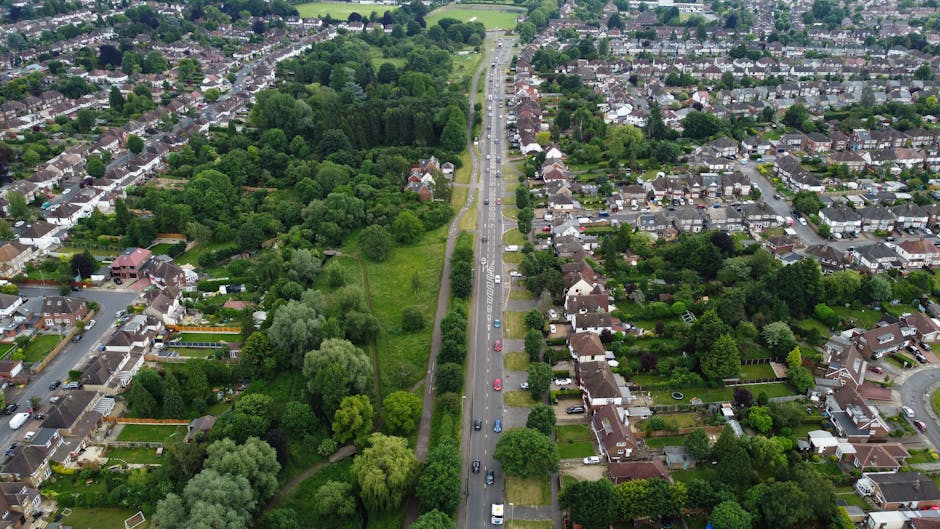
Pinner Road is the kind of route where a move can feel straightforward on paper and slightly more demanding in practice. That does not mean it is difficult, but it does mean local awareness pays off. Roads like this often involve a mix of residential properties, driveways that are not always generous, and parking situations that need a bit of thought. If you wait until the morning of the move to work all of that out, you are already on the back foot.
For Northwood residents, a move is rarely just about getting boxes from one place to another. It is about managing a chain of linked decisions: what to take, what to store, what to dismantle, what needs special handling, and what should be booked in advance. Even relatively short local relocations benefit from proper planning because the time saved in the home is often lost outside it, waiting for access or moving items one by one through narrow gaps.
This is where a structured approach really helps. A sensible moving plan reduces the chance of rushed lifting, scratched walls, forgotten utilities, and last-minute storage headaches. It also gives you a clearer sense of whether you need full removals support in Northwood or something lighter, such as tailored removal services for a smaller property.
Expert summary: The easiest move is rarely the one with the least stuff. It is the one where access, packing, timing, and lifting are planned together rather than treated as separate jobs.
How Moving on Pinner Road? Top tips for Northwood residents Works
A good local move follows a simple logic. First, you assess the property and route. Then you decide what needs packing, dismantling, lifting, storing, or transporting. Finally, you match the level of help to the size and complexity of the job. That sequence sounds basic, but it is exactly what prevents problems later.
In practical terms, the process usually starts with a quick review of the old and new addresses. Check the width of access points, where a vehicle can stop without creating a nuisance, how many floors are involved, and whether there are any items that will need more than one person to move safely. If you are shifting a sofa, a bed frame, white goods, or a piano, this is not the moment to guess.
From there, the move becomes much more manageable if you work in stages. Pack by room. Label by destination room. Separate essentials from non-essentials. Keep tools, chargers, medications, documents, and kettle items in one box or bag that stays with you. It is amazing how much calmer moving day feels when you do not have to hunt for the kettle cable at 9 p.m.
If you are considering a van-only solution, a man with a van in Northwood can suit smaller loads and simpler access. For larger household moves, a more complete service may be better, especially where stairs, bulky items, or time pressure are involved. If the move involves a small number of items and a clear route, a dedicated removal van can be the practical middle ground.
Key Benefits and Practical Advantages
There are a few clear advantages to approaching a Pinner Road move methodically rather than improvising on the day.
- Less stress: When the packing order is clear, every decision is easier.
- Faster loading: Boxes and furniture move more efficiently when grouped logically.
- Lower damage risk: Proper wrapping, carrying technique, and route planning reduce accidental knocks.
- Better budgeting: A defined scope helps you avoid paying for more vehicle time or labour than necessary.
- Cleaner handover: Good planning supports a smoother move-out clean and a more organised final check.
There is also a quieter benefit that is easy to miss: confidence. Once you know what happens when, you stop feeling as though the move is controlling you. Instead, you are making the move work for your schedule. That shift in mindset is useful, especially if you are moving after work, coordinating children, or fitting everything around a completion time.
For people with specialist items, the advantages become even more obvious. A carefully managed piano move protects both the instrument and the property. A properly wrapped sofa survives storage better. A bed and mattress moved in the right order are far easier to reassemble later. If you want to prepare those items correctly, the relevant guides on moving your bed and mattress safely and long-lasting sofa storage are useful starting points.
Who This Is For and When It Makes Sense
This approach suits a wide range of Northwood residents, but it is especially useful if any of the following apply:
- you are moving from a family house with several large items;
- you live in a flat and need to manage stairs, lifts, or shared access;
- you are a student or young professional moving with a smaller load;
- you are downsizing and need storage as part of the process;
- you have fragile, awkward, or high-value items;
- you are moving on a tight timeline and need same-day support;
- you want to reduce the physical strain of moving heavy furniture yourself.
It also makes sense if this is your first local move and you are not yet sure how much help you really need. In that situation, the best starting point is often an honest inventory. What is actually going? What needs protection? What will take two people instead of one? What can be dismantled safely? That reality check is far more useful than trying to estimate everything in your head.
For smaller student or flat moves, services such as student removals in Northwood and flat removals in Northwood can be a smart fit. For larger family homes, house removals in Northwood usually offer the right level of support and capacity.
Step-by-Step Guidance
Here is a practical way to organise the move so it stays under control.
1. Walk the property before you pack
Look at doors, hallways, stairs, parking, and any awkward corners. Measure the bulky items if needed. This step seems obvious until someone tries to turn a wardrobe through a stairwell that was never going to cooperate.
2. Declutter before the first box is sealed
Do not pay to move things you no longer want. Sort items into keep, donate, recycle, and dispose. The less clutter you carry, the less unpacking pain you create for yourself. If you want a structured approach, the guide to decluttering before a house move is a strong companion piece.
3. Build a packing plan by room and priority
Pack rarely used items first and daily essentials last. Label each box with its room and a short contents note. If you are moving for work, exams, or family reasons, this step alone can save hours on the other end. A fuller method is covered in the article on house moving packing tricks.
4. Protect the awkward items properly
Mattresses, sofas, mirrors, TVs, and appliances need more than a quick wrap in an old sheet. Use proper covers, blankets, tape where appropriate, and enough handling support. For white goods, read the advice on storing a freezer safely during downtime if you are not taking it into use immediately.
5. Decide what can be moved, what can be stored, and what needs specialist help
Not everything belongs in the same van on the same day. Sometimes the smartest choice is to place surplus items into storage and move the essentials first. In other cases, it is safer to use an experienced team for furniture, large appliances, or delicate pieces. If that applies, storage in Northwood and furniture removals in Northwood may both form part of the plan.
6. Keep your move-out and move-in day folders ready
Have keys, ID, contracts, parking details, inventory notes, contact numbers, and any payment confirmations in one place. A small folder or envelope sounds old-fashioned, but it prevents a lot of fiddling around when people are asking for documents and you just want to get the sofa through the door.
7. Do a final sweep before leaving
Check cupboards, loft spaces, behind doors, and under beds. Then run through the property with a cleaning checklist. A good move-out clean can protect your deposit and leave the property in a proper state. If useful, refer to the move-out cleaning strategies guide.
Expert Tips for Better Results
Experienced movers tend to follow a few habits that save time and stress.
- Book the vehicle or team before you are desperate: Last-minute booking narrows your options.
- Use the right packing materials: Strong boxes, mattress covers, bubble wrap, tape, and furniture blankets all earn their keep.
- Keep weight manageable: Small, heavy boxes are better than large, overfilled ones.
- Label the top and one side of every box: Stacked boxes do not always stay visible the way you expect.
- Prepare tools in advance: Screwdrivers, Allen keys, gloves, and a tape measure should be easy to find.
- Protect floors and door frames: Cardboard, mats, and careful lifting reduce damage in older properties.
If you are lifting anything unusually heavy, use proper technique and do not assume strength alone will solve the problem. The article on safe solo heavy lifting explains why posture and planning matter more than effort. The same applies to moving a piano or other specialist instrument, where the safer choice is usually to use a trained team rather than a hopeful guess and a prayer.
It also helps to think in routes, not just rooms. Which items go out first? Which box will be needed immediately after arrival? Which furniture has to be assembled before anything else can be put away? That sequence is what creates a move that feels efficient rather than chaotic.

Common Mistakes to Avoid
A move on Pinner Road can go smoothly, but a few common mistakes cause most of the headaches.
Leaving parking and access until the last minute
If the vehicle cannot stop near the property, loading time increases and fatigue follows. On busy roads, that can create unnecessary pressure for everyone involved.
Using box sizes badly
Huge boxes packed with books are a classic mistake. They become awkward, unsafe, and more likely to split. Keep heavy items in small boxes and lighter items in larger ones.
Failing to protect appliances
Fridges and freezers need care if they are being disconnected or stored. Incorrect handling can lead to odour, condensation, or damage. For deeper guidance, see the post on storing an unused freezer.
Ignoring specialist items
Pianos, large mirrors, antique pieces, and high-value furniture are not the place to save a few minutes. They need proper handling or they can cost far more to repair than to move correctly in the first place.
Starting too late on decluttering
Once the packing starts, emotional attachment can make decluttering harder. Sort before you seal boxes, not after.
Forgetting about the final clean
People often focus on the transport and underestimate the handover. A solid cleaning checklist keeps the move-out process tidy and professional.
Tools, Resources and Recommendations
You do not need a warehouse of equipment to move well, but a few sensible tools make a real difference.
- Sturdy moving boxes: Choose a few different sizes so you can match the contents.
- Packing tape and dispenser: Faster, neater sealing matters more than people think.
- Markers and labels: Clear labelling helps with room placement and unpacking order.
- Furniture blankets and covers: Useful for sofas, tables, wardrobes, and delicate finishes.
- Mattress protection: Keeps bedding and upholstery clean during transit.
- Tool kit: Essential for dismantling and reassembly.
- Trolley or sack truck: Helpful for heavier boxes or appliances when access allows.
For packing support, a dedicated packing and boxes service in Northwood can save time and ensure you start with the right materials. If you need a broader overview of service options, the services overview page is a useful place to compare what is available.
And if you want to understand the business side before booking, the pricing and quotes information is worth checking so you know what to expect before you commit.
Law, Compliance, Standards, or Best Practice
For most home moves, the main compliance concerns are practical rather than legal: safe lifting, proper vehicle access, insurance awareness, and respect for neighbours and shared spaces. Still, best practice matters, especially when you are moving in residential streets where parking and loading can affect others.
Some useful principles to keep in mind:
- Do not block access unnecessarily: Plan loading so doorways, driveways, and pavements remain as clear as possible.
- Use safe lifting methods: If an item is too heavy or awkward, do not force it.
- Check insurance and liability arrangements: Make sure you understand what is covered before transport begins.
- Handle shared spaces respectfully: Flats and communal entrances usually need extra care to avoid damage.
- Be clear on contracts and terms: If you are hiring help, read the terms so expectations are aligned.
Reputable moving support should have clear policies around safety and customer care. It is sensible to review insurance and safety information, along with any relevant terms and conditions, before moving day. If a company has a clear health and safety policy, that is a good sign they take risk seriously rather than treating it as an afterthought.
For people who prefer to understand the provider first, the about page is a useful way to check the background and approach of the team you are considering.
Options, Methods, or Comparison Table
Different moves call for different levels of support. The best option is usually the one that fits your access, property size, and item list rather than the one that sounds simplest at first glance.
| Option | Best for | Strengths | Limitations |
|---|---|---|---|
| DIY move | Very small loads and flexible schedules | Full control, low upfront cost | High physical effort, more risk, slower loading |
| Man and van | One-bedroom homes, flats, single-item moves | Flexible, cost-effective, practical for local trips | May not suit larger homes or multiple bulky items |
| Full house removals | Family homes, multiple rooms, awkward access | Less stress, better for complex moves, more support | Higher cost than basic transport-only options |
| Specialist removals | Pianos, fragile furniture, heavy or unusual items | Reduced damage risk, trained handling | Needs careful booking and clear item details |
If you are moving from a flat or a smaller property near Pinner Road, a man and van solution may be perfectly adequate. If you are moving a larger household, a more structured service is usually better value in the long run because it saves labour, delays, and stress. For some situations, a same-day removals option is useful, though it works best when the load is straightforward and access is predictable.
Case Study or Real-World Example
Consider a typical Northwood household moving from a two-bedroom property near Pinner Road into a nearby flat. The home includes a bed, mattress, sofa, dining table, a freezer that will not be used immediately, a few book-heavy boxes, and several fragile household items.
The couple starts three weeks ahead. They declutter first, which removes two bags of unwanted items and one old side table that was only ever "temporary". Then they pack by room, reserve a few essentials for a first-night box, and arrange storage for items they do not need straight away. The freezer is defrosted and prepared properly rather than shoved into the van while still damp. The sofa is wrapped for protection. The bed frame is dismantled and bagged with its fixings. The heavier boxes are kept small and labelled clearly.
On moving day, the team loads the sofa and bed first, then the boxes, then the smaller items. Because parking and access were checked in advance, the van can stop close enough to reduce carrying time. The result is not glamorous, but it is efficient, and that is exactly what a good move should be. No drama. No mystery box labelled "miscellaneous". No frantic search for the kettle.
What made the biggest difference was not speed; it was sequencing. That is the part people often underestimate.
Practical Checklist
Use this checklist to keep your move organised.
- Confirm moving date, keys, and access arrangements
- Check parking space and loading access at both addresses
- Book the right moving support for the size of your load
- Declutter before packing anything
- Gather boxes, tape, labels, covers, and basic tools
- Pack room by room and label clearly
- Set aside essentials for the first 24 hours
- Protect mattresses, sofas, and fragile items properly
- Prepare appliances according to safe handling guidance
- Dismantle furniture in advance where needed
- Keep documents, keys, and valuables with you
- Clean the property and complete a final sweep
- Photograph meters, condition notes, and any relevant handover details
- Do a last check before the van leaves
If you are short on time, prioritise access, packing, and the first-night box. Those three alone can make a move feel dramatically more manageable.
Conclusion
Moving on Pinner Road does not have to be complicated, but it does reward preparation. Northwood residents who think ahead about access, parking, packing order, item protection, and the right level of moving support usually have a calmer day and fewer surprises. The difference is often not effort; it is structure.
Whether you are moving a small flat, a full family home, or a few bulky items that need careful handling, the smartest approach is the one that matches your actual situation. Start early, declutter properly, and choose support that fits the job instead of forcing the job to fit the support.
Get a free quote today and see how much you can save.