




Council parking suspensions and fines for Northwood moves
Posted on 30/07/2026
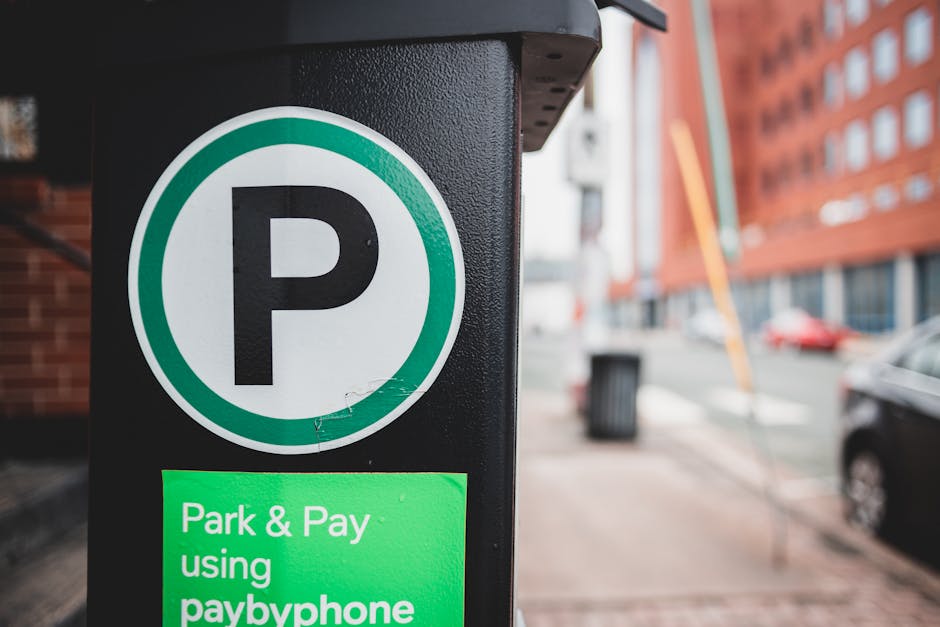
Council parking suspensions and fines for Northwood moves: a practical guide for moving day
Moving in Northwood can feel straightforward right up until the van arrives and you realise the street is tighter than you expected, the bay is suspended, or a permit issue has turned into a fine. That is exactly why Council parking suspensions and fines for Northwood moves matter so much. One missed sign, one forgotten restriction, and a perfectly planned move can become stressful, delayed, and more expensive than it needed to be.
In this guide, we'll break down how parking suspensions typically affect home moves, what can trigger fines, and how to plan sensibly so your relocation stays calm and compliant. If you are organising a flat move, a family house move, or a same-day move with short notice, you'll find practical steps, local considerations, and a few hard-earned lessons that save a lot of bother. Let's face it, nobody wants to be arguing with a traffic warden while a sofa is halfway out of the front door.
Why Council parking suspensions and fines for Northwood moves matter
Parking is one of those moving-day details people assume will sort itself out. Usually, it doesn't. In Northwood, as in many London areas, road space can be limited, and certain bays may be reserved, suspended, or restricted during works, events, or council-managed changes. For a removal van, that matters immediately. If the vehicle cannot stop safely and legally near the property, the whole move becomes slower and more awkward.
A fine is only part of the problem. The bigger issue is disruption. Crews may need to park further away, carry items longer distances, or split the move into awkward stages. That adds time, effort, and risk. You may also find that loading is harder on narrow residential roads, around station approaches, or near busier routes where stopping briefly still attracts attention. If you have ever watched a team carry wardrobes up the road in the rain, you know the feeling: not ideal.
For residents booking professional help, parking planning is as important as boxes, wrapping paper, and timing. It also affects commercial moves, student moves, and any relocation where the van needs reliable access. When parking is handled properly, the move starts on a calmer note and finishes with fewer surprises.
How Council parking suspensions and fines for Northwood moves works
At a simple level, a parking suspension means a normal parking space, bay, or waiting area is temporarily not available. Councils use suspensions for works, removals access, deliveries in some situations, or other temporary needs. In practice, that means a sign may say a bay cannot be used during a certain period, or that only specific vehicles or activities are allowed. If a vehicle stops there anyway, a penalty can follow.
Fines tend to happen when drivers assume the area is fine because it looked fine yesterday. That is a classic moving-day mistake. Suspensions can be time-bound, location-specific, and easy to miss if you're focused on the heavier job of carrying furniture. Sometimes the sign is obvious. Sometimes it is slightly awkwardly placed, half-covered, or just not noticed in the rush. Human nature, really.
For a Northwood move, the main risk points are:
- parking directly under a suspension notice
- stopping in a loading bay without checking the rules for that bay
- parking on double yellow lines without lawful exemption
- assuming a van can wait "just for five minutes" where it cannot
- blocking access roads, dropped kerbs, or resident-only areas
It is also worth remembering that parking restrictions and moving access are not the same thing. A move may be legitimate, but the vehicle still has to comply with the local restrictions. That distinction trips people up quite often.
If you are trying to get a clearer handle on the wider moving process too, it can help to read your guide to stress-free home relocation alongside this article. The parking piece sits inside the bigger move plan, not outside it.
Key benefits and practical advantages
Sorting parking properly before moving day does more than prevent fines. It quietly improves the whole job. Here's what that looks like in practice.
- Less delay: the van can load closer to the door, which saves repeated carrying.
- Lower risk of damage: fewer long carries mean fewer bumps, dropped corners, and scraped walls.
- Less stress: nobody wants to discover a suspension notice at 8:00 a.m. with the kettle still packed away.
- Better team efficiency: movers can work steadily instead of improvising around parking problems.
- Fewer surprise costs: avoiding fines is obvious, but so is reducing extra labour time.
There is also a trust benefit when you're hiring a removal team. A crew that thinks about parking, access, building rules, and timing usually thinks about the rest of the move carefully too. That's a decent sign. If they ask sensible questions early on, that is usually a good thing, not an inconvenience.
For larger loads, parking control can be the difference between a neat, one-trip-style move and a messy chain of short walks. If you are moving bulky items, a well-positioned van also makes it easier to protect furniture, especially when paired with services such as furniture removals in Northwood or broader removals support in Northwood.
Who this is for and when it makes sense
This topic matters to almost anyone moving in the area, but it is especially relevant if any of the following apply:
- you live on a narrow residential road
- you are moving from a flat with limited street access
- you need a van to park close for heavy or fragile items
- you are moving on a weekend or at short notice
- you are relocating near busy junctions, stations, or shared residential bays
- you are arranging a same-day or urgent move
Students and flat movers often feel the parking pressure most sharply. The same goes for anyone moving from an upstairs property where every extra metre matters. A long carry can be manageable for a box or two, but not for a mattress, fridge, or wardrobe. That is where parking planning stops being admin and starts being practical safety.
If your move involves timing around transport links, local traffic, or tight access, a useful follow-up read is Northwood station removals and best times to avoid delays. For short local jobs, high-street to HA6 short local moves in Northwood gives a good sense of how access shapes the move.
Step-by-step guidance
Here is a sensible way to plan around parking suspensions and avoid fines on moving day.
- Check the street early. Look for suspension notices, permit-only bays, resident bays, loading restrictions, and temporary cones or signage. Do this more than once if your move is a few days away.
- Measure access realistically. If the van cannot safely stop outside, work out the next best legal stopping point. A short legal walk is better than a fine and a dispute.
- Choose the right vehicle size. A smaller van may sometimes work better on tighter Northwood roads. Bigger is not always smarter.
- Build parking into the move schedule. Reserve time for manoeuvring, not just loading. A move at 9:00 a.m. with parking uncertainty is already behind schedule.
- Keep neighbours in mind. If you can, avoid blocking access, driveways, or bin collections. It is good manners, and it reduces complaints.
- Have a backup plan. If the closest bay is unavailable, know where the van can legally wait while the team gets started.
- Confirm access before the day begins. A quick look at the street on the morning of the move can catch changes that happened overnight.
That may sound like a lot, but it is mostly a matter of being organised. To be fair, the actual checks are quite quick once you know what you're looking for.
If your move involves boxes, kitchen gear, or breakables, it can also help to use practical packing guidance such as becoming a packing pro with house moving tricks and packing and boxes in Northwood. Good packing and good parking go together more often than people think.
Expert tips for better results
In our experience, the best parking plans are the ones that are slightly boring. Not glamorous, just effective.
- Take photos of signs before the move. If you need to remember a restriction or double-check something later, you have a record.
- Do not rely on memory. "I'm sure that bay was okay last week" is not a strategy.
- Build in buffer time. A little spare time can absorb a parking issue without turning the whole day upside down.
- Use smaller shuttle runs if needed. Sometimes a short carry from a legal space is better than forcing the van closer.
- Protect fragile items first. If a parking issue delays things, delicate items should already be secure and ready to move safely.
One practical observation: parking problems often reveal themselves in the last ten minutes before the crew starts. That's why a pre-move street check matters so much. It can feel overcautious. Then suddenly it feels very sensible indeed.
For awkward items and longer carries, it may also be worth reading about how to safely lift heavy objects on your own and kinetic lifting and the art of motion. The safer the handling, the less likely parking problems turn into damage problems.

Common mistakes to avoid
Most parking fines during moves are not mysterious. They come from a few predictable habits.
- Leaving parking checks until moving day. That is the big one.
- Assuming loading activity is automatically exempt. It often is not.
- Parking where the van fits, not where it is allowed. Fit and legal are not the same thing.
- Ignoring nearby restrictions because the front of the property looks clear. Signs may apply a few metres away, not just right outside the door.
- Not telling your removal team about access issues. They can plan around a restriction, but only if they know about it.
- Forgetting that shared access can cause complaints. Even a legal stop can upset neighbours if it blocks essential movement.
There is also a small but important one: don't confuse convenience with compliance. A bay that seems perfect can still be off-limits. That tiny assumption has a habit of becoming a surprisingly expensive lesson.
For longer moves, especially where the property needs a proper handover, a useful companion read is efficient home cleaning strategies for a seamless move-out. Parking, cleaning, and timing are all part of the same day.
Tools, resources and recommendations
You do not need complicated tools to manage parking well. What you need is a tidy process and the right mindset.
- Phone camera: useful for saving images of signs, bays, and street layouts.
- Simple written checklist: keep the key parking notes in one place.
- Move-day timeline: helps you see where parking checks sit in the wider schedule.
- Property access notes: stairways, entry codes, lift restrictions, and loading distances all matter.
- Removal quote notes: parking assumptions should be visible in the quote discussion, not hidden.
On the service side, it helps to work with a team that understands local street conditions and can adapt. Pages such as man and van Northwood, man with a van Northwood, and removal van Northwood can help you think through which vehicle and approach suit the street, not just the inventory.
If your move is especially time-sensitive, you may also want to look at same-day removals Northwood. Short-notice moves and parking controls can be tricky together, so fast communication matters.
Law, compliance, standards and best practice
Parking restrictions are not something to guess at. The general rule is simple: if a sign, bay marking, or suspension notice says a vehicle cannot stop there, you should treat it as binding for the period shown. For moving jobs, that means making lawful access part of the plan rather than treating it as an afterthought.
Best practice in the moving industry is to:
- check local restrictions before arrival
- identify where the vehicle can legally wait or load
- avoid blocking access routes or emergency access
- keep customers informed if the access plan changes
- record any known parking constraints in the booking notes
Where a council suspension or local parking control applies, the safest approach is to assume the restriction is enforceable until confirmed otherwise. That cautious approach is not overkill; it is just sensible risk management. A move is busy enough without creating avoidable compliance problems.
It also helps to think about broader standards around safety, insurance, and clear communication. If a mover is handling a difficult access situation, they should be able to explain the plan clearly and calmly. That is a good sign. If they shrug and say, "We'll sort it on the day," well... maybe not ideal.
For added peace of mind, you can review health and safety policy and insurance and safety information, especially where heavier items, tighter access, or multiple floors are involved.
Options, methods and comparison table
Different moves need different parking approaches. Here is a simple comparison to help you choose the most practical route.
| Approach | Best for | Pros | Watch-outs |
|---|---|---|---|
| Park directly outside the property | Quiet roads with clear legal space | Fast loading, short carries, easier handling | Not suitable if suspended or restricted |
| Use the nearest legal bay | Busy streets with partial restrictions | Usually legal and practical | Longer carry, needs more planning |
| Smaller van plus shuttle loading | Tight roads or awkward access | More flexible positioning | May take longer overall |
| Pre-arranged time-sensitive move | Short-notice or controlled access | Better coordination, fewer surprises | Requires clear communication and punctuality |
There is no single best option. The best choice is the one that respects the street, the schedule, and the items being moved. A flat move at the top of a busy road may need a very different setup from a house move on a quieter residential stretch.
If storage becomes part of the workaround, perhaps because access is limited or completion timing slips, storage Northwood can be a useful bridge solution.
Case study or real-world example
Here's a realistic scenario. A couple moving from a first-floor flat in Northwood had booked a morning move for a standard van. On paper, it looked straightforward. The problem appeared when the crew arrived and found a temporary suspension affecting the nearest bay. The street was narrower than expected, and there was no safe place to stop right outside.
Instead of forcing the issue, the team parked at the nearest lawful spot, adjusted the loading plan, and split the move into smaller runs. The move still took longer than originally hoped, but it stayed legal, calm, and manageable. No fines. No heated conversations. Just a slightly slower morning and a lot less drama than it could have been.
That kind of outcome is common when people plan early. Not perfect, maybe. But workable. And frankly, workable beats expensive.
In another similar move, a homeowner was able to avoid penalties simply by checking access the day before, sending a quick note to the removals team, and making sure the van arrived at a time when the street was less congested. Small effort, big difference. That is the pattern you notice again and again.
Practical checklist
Use this checklist in the lead-up to moving day.
- Check the road for parking suspension signs.
- Confirm whether loading is allowed where you intend to stop.
- Note any resident-only, permit-only, or timed restrictions.
- Make sure the removal team knows about access problems early.
- Decide where the van can legally wait if the closest space is unavailable.
- Allow extra time for carry distance and manoeuvring.
- Take photos of any signs or markings that matter.
- Keep your move schedule flexible enough to absorb a small delay.
- Protect high-value or fragile items before loading begins.
- Review the final access plan on the morning of the move.
For bulky items, it may also help to review Northwood Hills tube moves and access parking solutions or moving on Pinner Road with top tips for Northwood residents if your route or road setup is similar.
Key takeaway: the cheapest move is usually the one that avoids a parking problem before it starts. A few minutes of checking can save hours of irritation.
Conclusion
Council parking suspensions and fines for Northwood moves are not just an admin detail. They shape timing, access, safety, and cost. Get the parking side right, and everything else becomes smoother: loading is easier, the team works faster, and the day feels far less chaotic.
Truth be told, the best moves are rarely the ones that look dramatic. They are the ones where someone checked the street, asked the right questions, and kept the plan flexible enough to handle real-life surprises. That is what good moving looks like in practice.
If you are planning a move and want help thinking through access, timing, or vehicle choice, it is worth speaking to a team that understands local conditions and day-of-move realities.
Get a free quote today and see how much you can save.
And if you want to learn more about the company behind these services, you can read about us before you book. A little peace of mind goes a long way on moving day.